

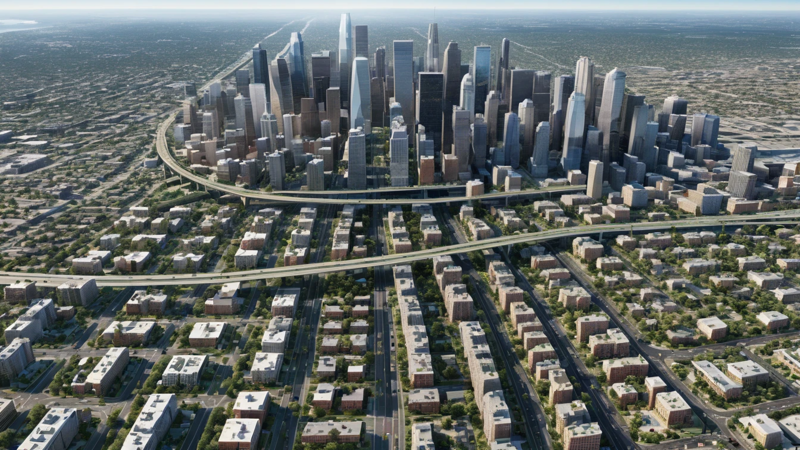
Regional Market Watch – The Fastest-Growing U.S. Cities shaping jobs, housing, and lifestyle trends across America.
Regional Market Watch – The Fastest-Growing U.S. Cities highlights where Americans are moving, investing, and building futures. These cities are expanding due to job growth, affordable housing, lifestyle appeal, and strong infrastructure, making them hotspots for real estate, business, and long-term economic opportunity.
Are America’s biggest opportunities still hiding in plain sight? Or are they rising in places you never expected?
Regional Market Watch – The Fastest-Growing U.S. Cities focuses on where growth is happening right now. These cities are attracting new residents, businesses, and investors faster than the national average. People move for jobs, lower costs, and better quality of life—and the data clearly shows which regions are winning 📈.
Regional Market Watch – The Fastest-Growing U.S. Cities 🌆
Understanding What “Fastest-Growing” Really Means 🚀
Fast-growing cities are not just adding people. They are expanding jobs, housing, and infrastructure together. Growth is measured through population increases, job creation, housing permits, and business activity.
These cities often show strong migration trends. People move in for opportunity and stay for lifestyle. When growth is balanced, it creates long-term economic strength.
Why Americans Are Moving More Than Ever 🇺🇸
Remote work changed everything. Many workers no longer need to live near expensive urban cores. This shift opened doors for mid-sized cities with lower costs and more space.
People also want better weather, shorter commutes, and safer neighborhoods. Cities that deliver these benefits are growing faster than ever before.
Sun Belt Cities Leading The Growth Boom ☀️
The Sun Belt dominates today’s growth charts. Cities across Texas, Florida, Arizona, and the Carolinas continue to attract newcomers.
Warm climates, business-friendly policies, and affordable housing fuel this trend. Many Sun Belt metros also invest heavily in infrastructure and public services.
Popular Sun Belt advantages include:
- Lower taxes and business costs
- Strong construction and housing supply
- Expanding healthcare and tech sectors
Texas Cities Expanding At Record Speed 🤠
Texas remains a growth powerhouse. Cities like Austin, Dallas, Fort Worth, and San Antonio continue to draw workers and companies.
The state’s economy is diverse. Technology, energy, healthcare, and logistics all thrive here. That balance helps Texas cities grow without relying on one industry.
Florida’s Metro Areas Drawing New Residents 🌴
Florida cities are booming, especially Tampa, Orlando, and Jacksonville. Retirees, remote workers, and entrepreneurs are relocating in large numbers.
The lack of state income tax attracts high earners. Tourism and healthcare also provide steady job creation across metro areas.
Southeast U.S. Becoming A Growth Magnet 🧭
The Southeast is no longer overlooked. Cities like Raleigh, Charlotte, and Nashville are seeing rapid population increases.
These areas combine strong job markets with cultural appeal. Music, food, and outdoor recreation play a big role in attracting younger residents.
Mountain West Cities On The Rise 🏔️
Cities in Utah, Idaho, and Colorado are growing fast. Places like Boise and Salt Lake City attract tech workers and outdoor enthusiasts.
Quality of life drives this growth. Easy access to nature pairs well with expanding startup ecosystems and solid education systems.
Midwest Cities Making A Quiet Comeback 🌽
Not all growth is happening in the South. Some Midwest cities are rebounding with steady gains. Lower housing costs and revitalized downtowns lead the way.
Cities investing in innovation hubs and education are reversing long-term population declines. This trend surprises many market watchers.
Snapshot Of Fast-Growing Regions
| Region | Growth Drivers | Standout Cities |
| Sun Belt | Jobs, housing, climate | Austin, Tampa |
| Southeast | Tech, lifestyle | Raleigh, Nashville |
| Mountain West | Outdoor living, startups | Boise, Salt Lake City |
Job Markets Fueling City Expansion 💼
Jobs are the backbone of growth. Cities attracting employers grow faster and stay resilient during downturns.
Technology, healthcare, logistics, and manufacturing lead hiring trends. Cities that support workforce training see stronger long-term gains.
Housing Demand And Construction Trends 🏠
Fast growth increases housing demand. Cities that permit new construction quickly remain affordable longer.
New suburbs and mixed-use developments help manage population increases. Smart zoning policies reduce pressure on renters and buyers.
Cost Of Living Still Matters 💵
Affordability drives relocation decisions. Cities with lower housing and utility costs attract families and first-time buyers.
Rising costs can slow growth if wages fail to keep up. Successful cities balance economic expansion with livability.
Infrastructure Investments Supporting Growth 🛣️
Infrastructure keeps cities moving. Roads, public transit, schools, and utilities must grow with population.
Federal and state funding helps expanding cities avoid congestion and service shortages. Infrastructure readiness separates short-term booms from lasting growth.
Growth Factors Investors Watch Closely
| Factor | Why It Matters | Impact |
| Job Creation | Sustains migration | Long-term stability |
| Housing Supply | Controls affordability | Market balance |
| Infrastructure | Supports scale | Quality of life |
Education And Talent Attraction 🎓
Universities attract young talent and innovation. Cities with strong education systems grow faster.
Graduates often stay if local jobs exist. This creates a self-sustaining talent pipeline for employers.
Small Businesses Thriving In Growth Cities 🏪
New residents fuel demand for services. Restaurants, retail, and local startups thrive in fast-growing markets.
Entrepreneur-friendly policies encourage small business formation. This adds resilience to local economies.
Climate And Lifestyle Influencing Decisions 🌤️
Lifestyle matters more than ever. Walkability, green spaces, and recreation influence relocation choices.
Cities offering balanced work-life environments see stronger population retention. Happiness fuels growth just as much as jobs.
Risks That Could Slow Rapid Growth ⚠️
Growth brings challenges. Traffic, rising rents, and strained services can slow momentum.
Cities that plan ahead reduce these risks. Smart governance keeps growth sustainable and inclusive.
Cities Balancing Growth And Stability
| Strength | Challenge | City Focus |
| Rapid Job Growth | Housing pressure | Austin |
| Migration Influx | Infrastructure strain | Phoenix |
| Affordability | Wage alignment | Raleigh |
What This Means For Investors And Homebuyers 🔍
Fast-growing cities offer opportunity. Real estate, startups, and job markets benefit from rising demand.
Timing matters. Early investment often yields better returns before prices surge.
How Businesses Can Leverage Regional Growth 📊
Companies expand where talent moves. Opening offices in growth cities reduces costs and improves hiring.
Local incentives and tax benefits also attract corporate relocations. Growth regions welcome innovation.
The Future Outlook For U.S. City Growth 🔮
Growth patterns will continue shifting. Climate resilience, remote work, and affordability will shape future rankings.
Cities that adapt quickly will lead the next decade. Flexibility is the new competitive advantage.
Conclusion: Following The Growth Signals 📌
Regional Market Watch – The Fastest-Growing U.S. Cities reveals where opportunity lives today. These cities attract people through jobs, affordability, and lifestyle. Growth is strongest where planning meets demand. Watching these trends helps residents, investors, and businesses make smarter long-term decisions.
FAQs
Which U.S. cities are growing the fastest right now?
Sun Belt and Southeast cities lead current growth trends. Texas and Florida metros dominate migration data. Job availability and housing supply drive this growth.
Why are people moving to fast-growing U.S. cities?
People move for jobs, affordability, and quality of life. Remote work expanded location choices. Cities offering balance attract long-term residents.
Are fast-growing cities good for real estate investment?
Yes, growth increases housing demand. Early entry often means better returns. Investors should watch affordability trends closely.
Do fast-growing cities face major challenges?
Rapid growth strains housing and infrastructure. Traffic and rising rents can follow. Cities with strong planning manage these risks better.
Will these fast-growing cities keep expanding?
Many will continue growing steadily. Sustainability depends on infrastructure and affordability. Smart planning ensures long-term success.